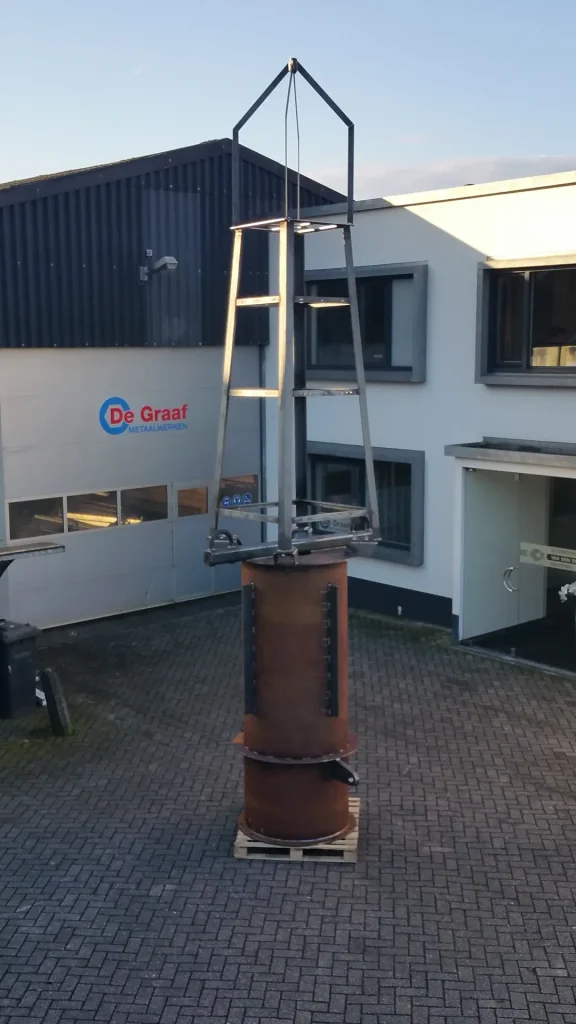
Heavy-Duty Gratings
Heavy-duty gratings are a specific type within custom walkway gratings, designed to carry significantly higher loads than a standard walkway grating. While a standard pressure-locked grating works well for regular foot traffic, a heavy-duty grating is the logical choice as soon as vehicle loads, concentrated point loads or intensive long-term use come into play. Because a grating’s load capacity is determined by the combination of span, bearing bar dimensions and mesh density, every heavy-duty grating can be tailored specifically to the situation, from a vehicle ramp to a heavily loaded floor in a production hall.
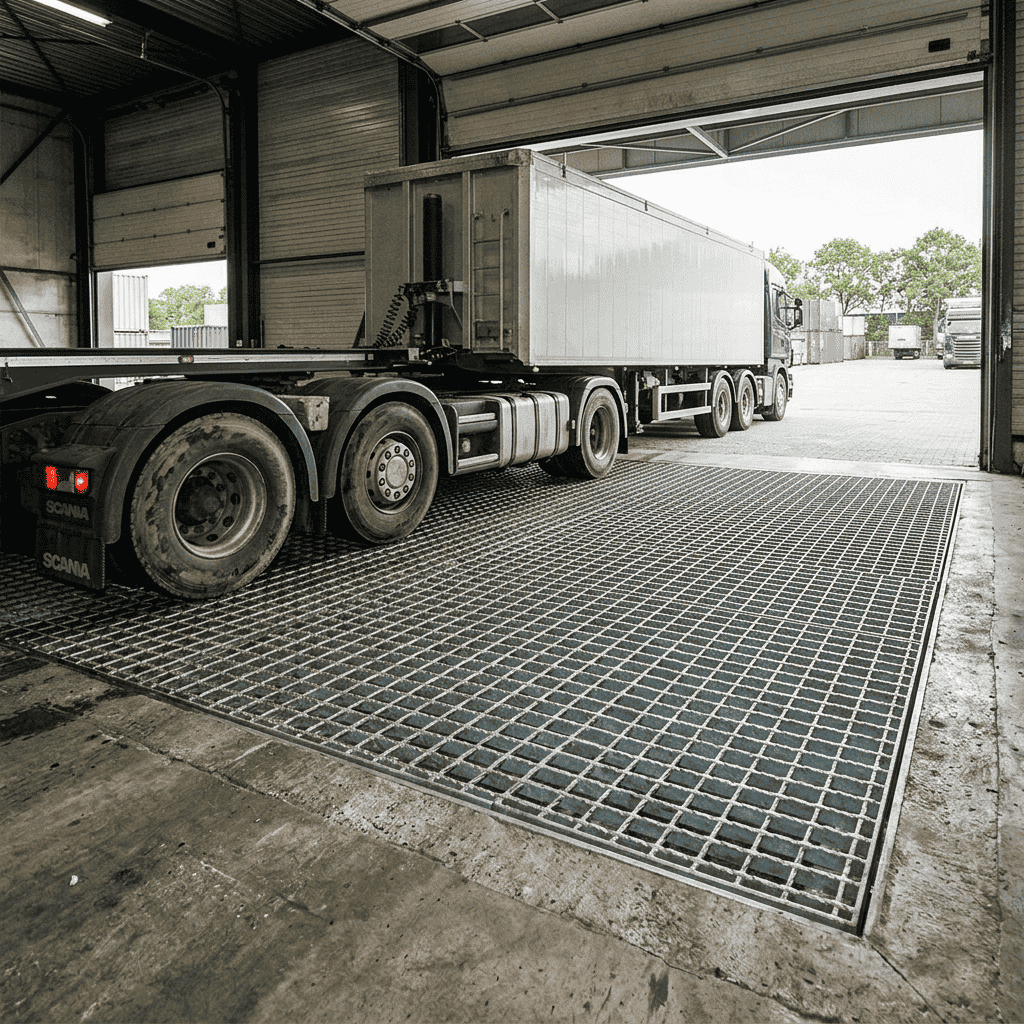
High load capacity
By using thicker and taller bearing bars, the grating is calculated for significantly higher loads than a standard walkway grating.
Resistant to point loads
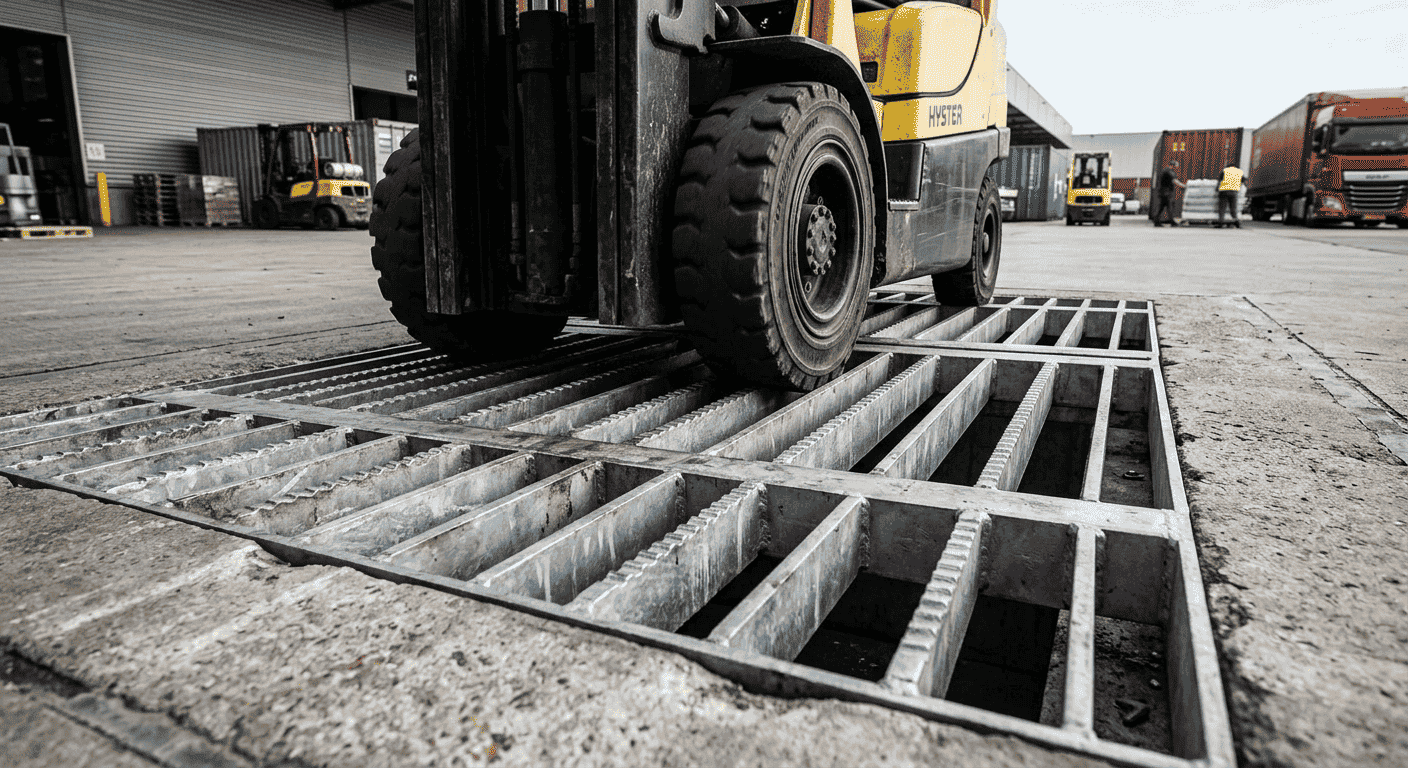
Besides evenly distributed loads, a heavy-duty grating can also handle concentrated point loads, such as vehicle wheels or the legs of heavy machinery.
Stable under intensive use
The combination of bearing bar thickness and mesh pattern keeps the grating dimensionally stable and safe even under repeated, heavy loading.
Where are heavy-duty gratings used?
Heavy-duty gratings are used in places where a standard walkway grating simply wouldn’t hold up, because the combination of weight, repetition and point loading is too great. Think of situations where vehicles drive over the grating daily, where heavy machinery or pallets are placed on it, or where the grating is part of a structure that must meet stricter load requirements, such as in infrastructure. Because the load varies per project, the right combination of span, bearing bar height and mesh pattern is reassessed each time to reach the required load class.
Common areas of use include:
- Ramps, driveways and transitions where cars, vans or trucks drive over
- Working floors and platforms used by forklifts or other moving equipment
- Storage facilities, warehouses and distribution centres with intensive transport
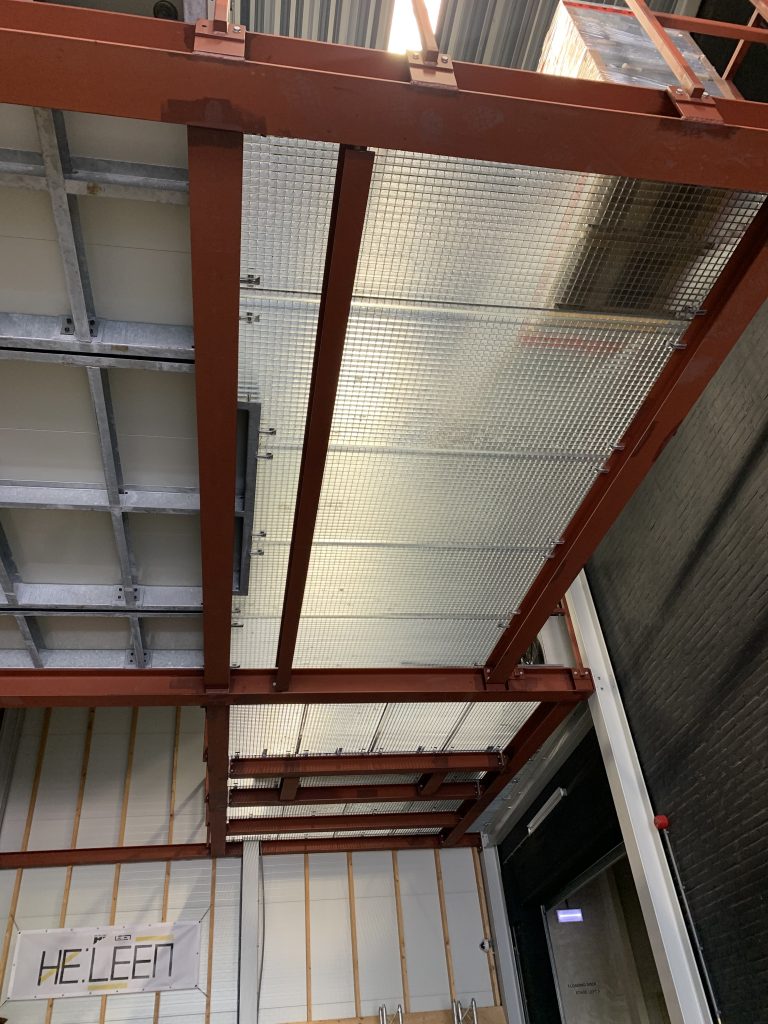
- Industrial platforms and landings supporting heavy machinery or installations
- Infrastructure applications, such as grating floors on bridges or roadways
- Loading and unloading areas at commercial buildings and logistics centres
- Heavy-duty industrial floors in the oil, gas and process industry
What makes a grating suitable for heavy loads?
A grating’s load capacity is determined by the interplay of three factors: the span, the dimensions of the bearing bars and the density of the mesh pattern. A larger span results in more deflection and therefore a lower load capacity, while thicker and taller bearing bars increase load capacity. A denser mesh pattern results in more bearing bars per square metre, which also increases the load capacity. For heavy-duty gratings, these three factors are balanced so the grating can handle the required load, whether that’s the axle load of a truck, the weight of a forklift or an evenly distributed floor load.
For the end user, what matters most is that this is properly calculated in advance: simply choosing a thicker grating isn’t enough, since the right combination depends on the exact span and type of load on site. That’s why the build-up of a heavy-duty grating is determined per project, so the end result matches both the structure and the actual use.
Material choice and application area
Heavy-duty gratings are available in steel, stainless steel and aluminium, with the choice determined by the load, the environment and the desired lifespan. Steel is the most commonly used base material for heavy-duty applications due to its favourable strength-to-cost ratio, and can be fitted with protective finishing options for outdoor or damp environments to extend its lifespan. In environments with chemicals, high hygiene requirements or increased corrosion risk, such as the process industry or coastal areas, a stainless steel version is often a more suitable choice. Aluminium is used less often for heavy-duty applications, but can be of interest when weight matters and the load allows for it.
Besides the material, the finish of the walking surface also matters for heavy use. For situations with an elevated risk of slipping, such as wet or greasy conditions, the grating can be produced in an anti-slip version. The most suitable combination of material and finish is determined per project, based on the load, the environment and the desired lifespan of the grating.
Suitable for vehicle traffic
From passenger cars to heavy trucks, heavy-duty gratings can be tailored to the axle load and type of vehicle driving over them daily.
Long lifespan under intensive use
Thanks to the heavier construction, the grating remains functional and dimensionally stable even under daily intensive use.
Compatible with existing structures
Like other custom gratings, a heavy-duty grating can be matched to existing supporting structures, penetrations and connection points.
Heavy-duty grating versus pressure-locked grating
A standard pressure-locked grating is designed for foot traffic and light to medium applications, while a heavy-duty grating, with thicker bearing bars and a denser mesh pattern, is built to carry significantly higher and more concentrated loads. For a walkway or platform with normal use, a pressure-locked grating is often the more practical choice, while a heavy-duty grating is needed as soon as vehicles, heavy machinery or intensive transport are involved.
Planning and customisation for heavy loads
For heavy-duty applications, it’s especially important that the required load class is established early in the project, since this directly affects the grating’s build-up and the supporting structure beneath it. By aligning engineering, production and installation, this can be coordinated in good time with the contractor or installer responsible for the rest of the structure.
Frequently asked questions about heavy-duty gratings
What's the difference between a walkway grating and a heavy-duty grating?
A walkway grating is intended for pedestrian loads and light to medium applications, while a heavy-duty grating uses thicker bearing bars and a denser mesh pattern to handle heavier loads, such as vehicle traffic or heavy machinery.
What loads are heavy-duty gratings designed for?
Heavy-duty gratings are used for loads from passenger cars, vans, trucks, forklifts and heavy machinery, and in situations involving intensive or repeated use.
How is the right build-up for a heavy-duty grating determined?
The build-up is determined by the combination of span, bearing bar height and thickness, and mesh density, matched to the actual load and type of use on site.
What materials are heavy-duty gratings available in?
Heavy-duty gratings are available in steel, stainless steel and aluminium. Steel is most commonly used for its strength-to-cost ratio, while stainless steel is chosen for increased corrosion risk.
Can a heavy-duty grating also be made slip-resistant?
Yes, for situations with an elevated risk of slipping, such as wet or greasy conditions, the grating can be produced in an anti-slip version.
Are heavy-duty gratings suitable for infrastructure applications?
Heavy-duty gratings are also used in infrastructure applications, such as grating floors on bridges or roadways, where the grating and supporting structure together must meet specific load requirements.
When is a pressure-locked grating sufficient, and when is a heavy-duty grating needed?
For regular foot traffic, such as a platform or walkway, a pressure-locked grating is usually sufficient. As soon as vehicle traffic, heavy machinery or intensive transport is involved, a heavy-duty grating is the more suitable choice.
Related products
- Housing, Non-residential
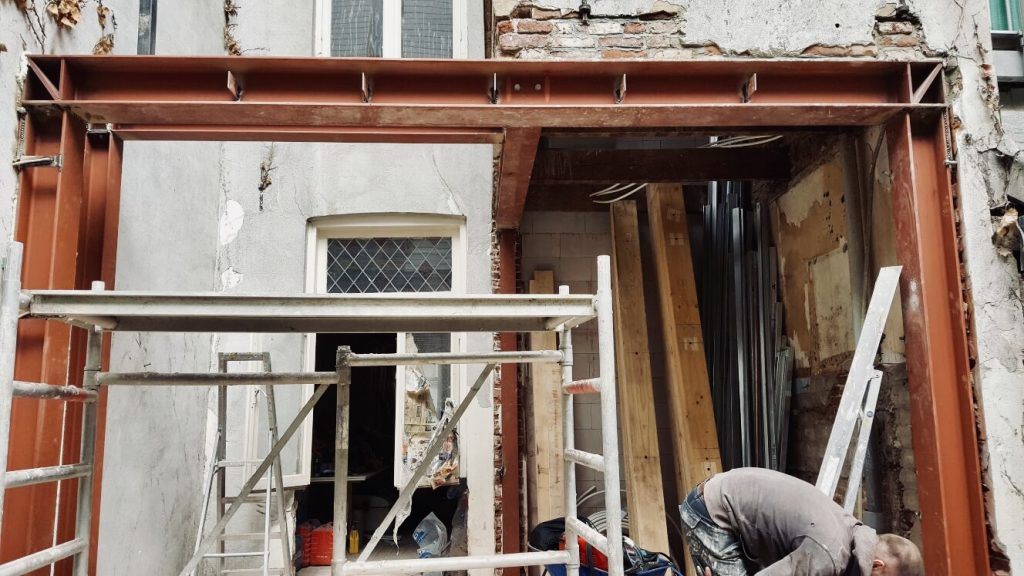
Steel structures
- Non-residential
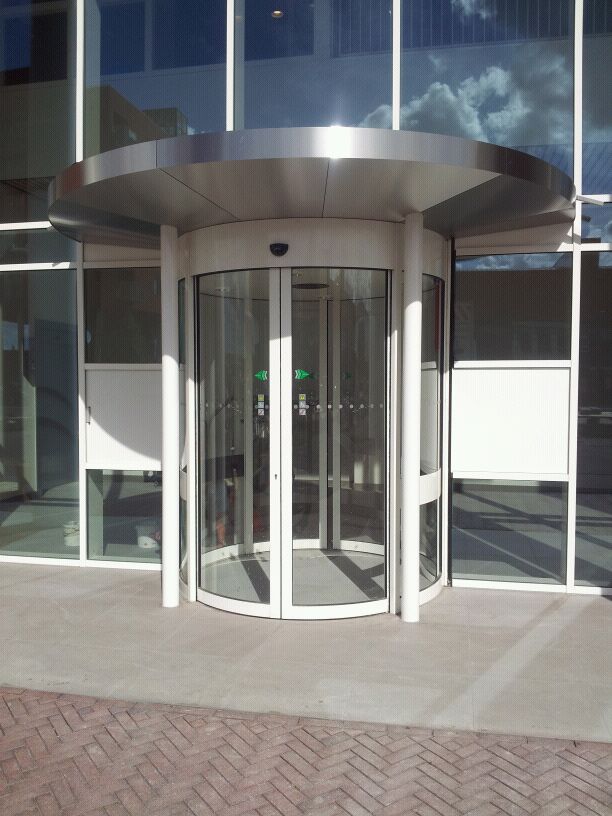
Sheet metal
- Housing, Non-residential
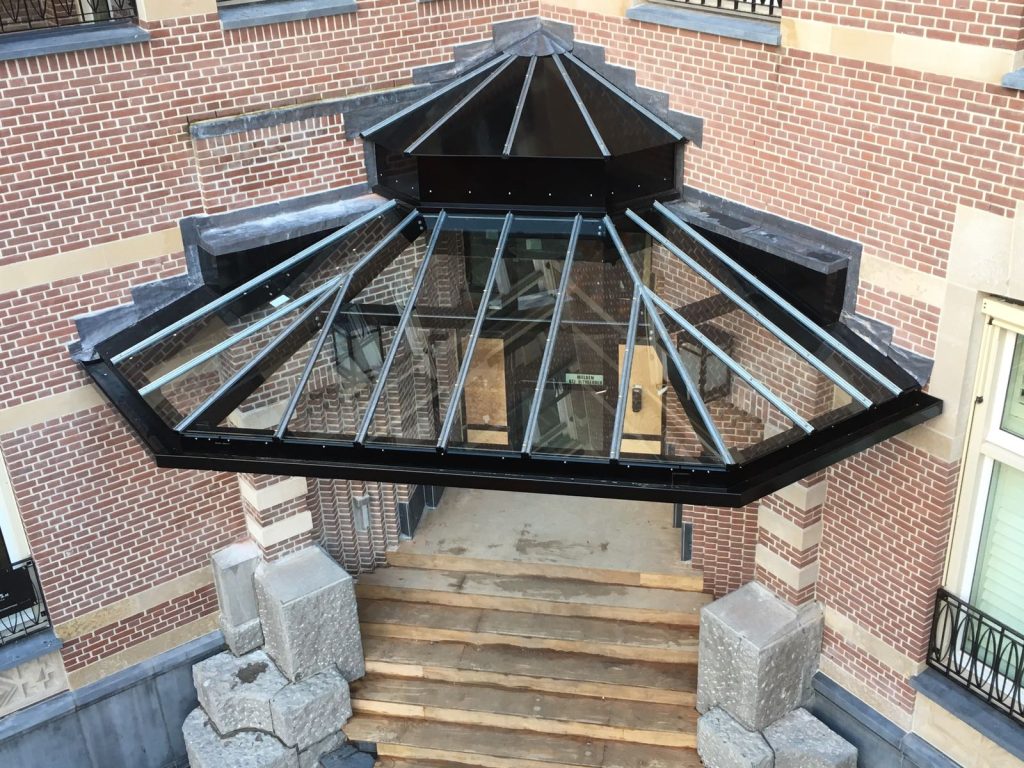
Canopies / Awnings
- Non-residential
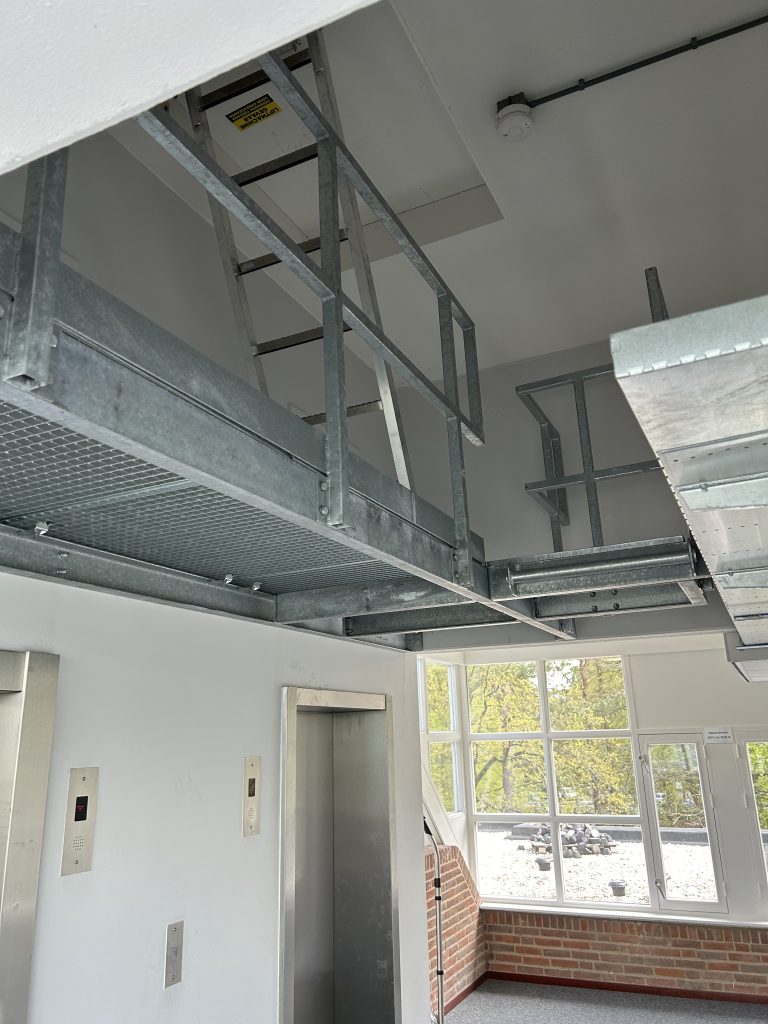
Platforms / Grating floors
Related projects

Livestrong Curaçao

PK Bar & Kitchen Utrecht
Why De Graaf Metaalwerken?
Materials and engineering
We are highly versatile in this area. Thanks to our extensive knowledge and experience, we can use the most suitable material for every project. This means we always offer a sustainable, well-thought-out and high-quality solution, perfectly tailored to your needs. We also take care of all the engineering and drawing work for your project in-house.
Production and assembly
The production of your project is carefully handled using our modern machinery and with attention to safe & healthy working conditions. We work quickly, flexibly and with an eye for quality, so that your project is always delivered on time and according to plan. Our VCA-certified engineers can also take care of the entire installation process for you.
Complete peace of mind
We take care of your project from start to finish. Our specialists ensure that everything is carried out accurately, efficiently and safely, while you benefit from a single point of contact for the entire process. This means you can count on a hassle-free implementation, optimal quality and a project that is delivered on time and according to plan, without any surprises.
Quality & Certification
We work in accordance with recognised standards and have the necessary certifications, such as NEN-EN 1090-1, which allows us to issue the CE certificate for our construction work.





Please contact us
Please feel free to contact us if you have any questions.
De Graaf Metaalwerken B.V.
Gageldijk 2
3602 AL Maarssen
+3130 – 2613843
info@degraafmetaalwerken.nl